

COVID-19’s Role in Physician Reimbursement
Following the onset of COVID-19, hospitals, and healthcare systems have endured a significant decline in profits and income. Since the...
Read more
Resources & Insights
Following the onset of COVID-19, hospitals, and healthcare systems have endured a significant decline in profits and income. Since the...
Read more
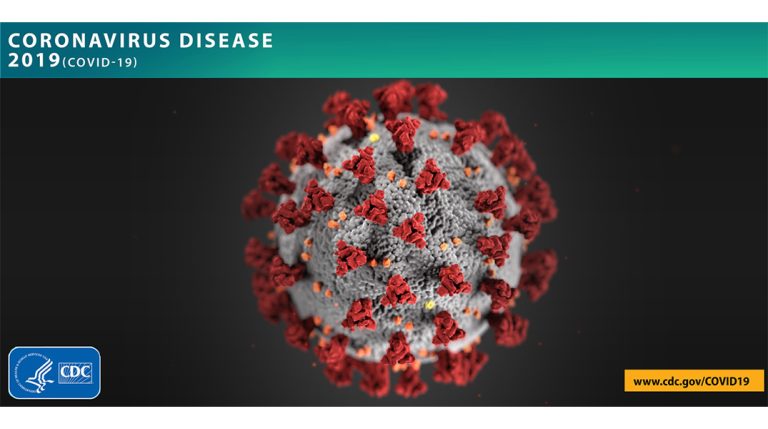
Revenue cycle management is now of extreme importance due to the immense resource demands of the ongoing COVID-19 pandemic. The...
Read more
Medicare is taking aggressive action, including regulatory flexibilities and blanket waivers, to help healthcare providers combat the spread of COVID-19.
Read more
Centers For Disease Control and Prevention (CDC) has issued supplemental medical coding guidelines for encounters and telehealth related to COVID-19.
Read more
For the duration of the COVID-19 pandemic, health care professionals can offer telehealth services to their Medicare patients.
Read more

Optimizing your revenue cycle management (RCM) ensures that your submitted claims get paid on time and that your new healthcare practice will thrive.
Read more

There is sometimes confusion between payer enrollment and medical credentialing. They are distinctly different processes for different purposes.
Read more

CVO credentialing refers to the use of a Credentials Verification Organization to perform medical credentialing on behalf of a healthcare organization.
Read more

To save time in the medical credentialing process, review this list of the documents which are typically requested by most insurance plans.
Read more

Moving to medical credentialing software or outsourcing credentialing will save time, effort, and improve the accuracy of your credentialing.
Read more

Physician Credentialing organizes and verifies a doctor's professional records, a vital safeguard for patient safety and risk management.
Read more

An NPI number is a unique ID issued to each healthcare provider in the U.S. It's required by CMS and every health plan for correspondence and to pay claims.
Read more